Mujjahid Huq on the New Staycation: How Airbnb Is Reshaping Local Travel
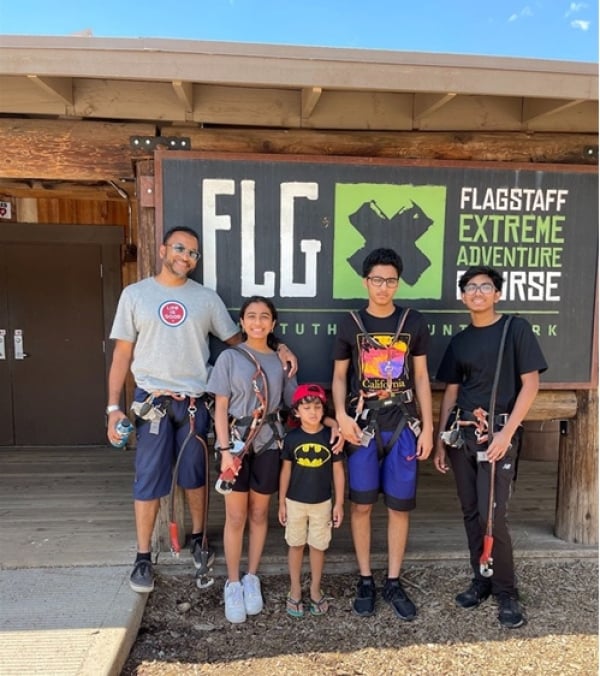
A staycation rarely looks like travel on paper. There are no airport lines, no checked bags, no long itineraries. Yet for a growing number of travelers, the most appealing escape is the one that stays close to home. The goal is not distance. It is disruption of routine, a change of setting, and time that feels genuinely restorative.
That shift has helped push alternative lodging further into the mainstream, and few platforms are as closely tied to the change as Airbnb. Once best known for spare-room rentals and budget-friendly stays, Airbnb has matured into a marketplace where privacy, design, and neighborhood access often matter as much as price. For travelers choosing local getaways, those factors can determine whether a stay feels like an ordinary night away or a true reset.
“People don’t just want a bed. They want a place that helps them feel away, even if they’re only a few miles from home,” said Mujjahid Ul Huq, an Airbnb host. “When the space is comfortable and the neighborhood is easy to explore, it changes everything. A staycation becomes a reset.”
From a place to sleep to a place to live
Hotels have long offered consistency. Guests know what they are getting, from the layout to the standard services. Airbnb tends to operate differently. Many listings feel more personal and less uniform, shaped by the host’s choices and the character of the surrounding area. Instead of being clustered around commercial districts, Airbnb stays often place guests inside residential neighborhoods, closer to local cafés, parks, and everyday rhythms.
In the context of staycations, that proximity can be the point. Guests are not necessarily chasing landmarks. They are looking for a version of a place that feels quieter and more intimate, sometimes within the same region they already know.
The variety of spaces also supports different reasons for traveling locally. A couple might choose a compact apartment for a weekend of downtime. A family may prioritize a kitchen and multiple rooms. A group might look for common areas that make gathering easy. For shorter trips especially, the idea of a functional home base can be more valuable than a standard room.
Why Airbnb fits the staycation moment
Staycations are defined less by geography and more by intention. Travelers want the relief of getting away without the stress, cost, and complexity that can come with long-distance travel. Flexibility becomes the selling point, and that is where Airbnb often has an edge.
Full kitchens, separate living spaces, and private outdoor areas allow guests to set their own pace. A slow morning coffee. A midday break without having to leave the property. A night in that still feels like a choice, not a compromise. For many travelers, those details are what turn a short stay into something that actually restores them.
Privacy also plays a role. Guests increasingly seek more control over their environment, especially on brief trips meant to feel easy. A home-style setup can offer that control in a way traditional lodging sometimes cannot.
The host’s role in shaping the experience
Airbnb’s model depends on hosts, not just to provide a space, but to define what it feels like to stay there. For hosts like Mujjahid, the work is not limited to availability. It is about creating an atmosphere that reads as cared for, intentional, and comfortable enough that guests can relax quickly.
“It’s not about overdoing it,” Mujjahid said. “It’s about getting the essentials right: cleanliness, comfort, and a space that feels intentional. If guests feel taken care of, they can actually relax.”
That mindset becomes particularly important in staycation travel. Because guests are often traveling without a packed itinerary, the quality of the space itself carries more weight. A well-prepared home can create the sense of escape without relying on a long list of activities.
A different kind of local travel
The popularity of staycations reflects a broader shift in what people expect from travel. The focus is moving away from checking off sights and toward experiences that feel grounded. Airbnb’s appeal here is less about going somewhere new and more about staying differently, finding novelty in the familiar.
For guests, that might mean waking up in a neighborhood they have never explored, trying a local restaurant they have driven past for years, or simply experiencing quiet in a way their daily routine does not allow. For hosts, it is an opportunity to present a community through a lived-in lens, offering travelers a place that feels connected to where they are.
Airbnb did not invent the staycation, but it has become one of the clearest tools for making staycations feel like real travel: personal, flexible, and rooted in place. For Mujjahid Ul Huq, that is the goal. Not to send people far away, but to help them feel genuinely elsewhere, even when they are close to home.