Mujjahid Huq and the Queens Tradition of Turning Everyday Struggles into Civic Power
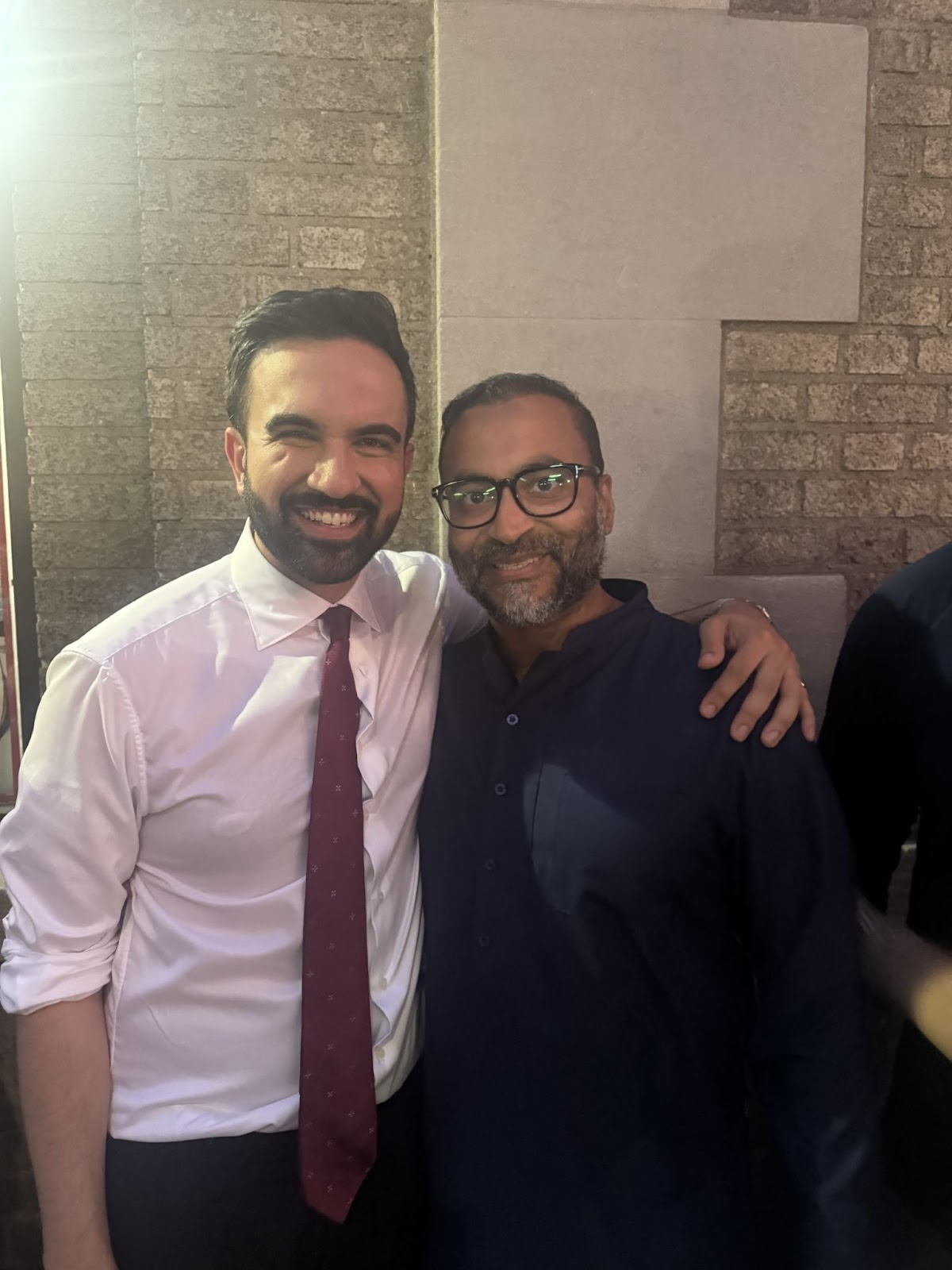
In Queens, politics often begins far from the chambers of government. It starts in the places where people live, work, and gather: corner pharmacies, grocery stores, and small businesses that serve as community anchors. For longtime resident and small business owner Mujjahid Huq, civic engagement has always been less about slogans and more about survival. His story reflects a broader movement across the borough, one that connects economic resilience, cultural identity, and a growing generation of local leaders such as Helal Sheikh and Zohran Mamdani.
Huq, who built a career as a pharmacist in the borough, represents the kind of immigrant success story that defines Queens. His family came to the United States decades ago seeking opportunity and stability, values that have guided many South Asian and Muslim families who settled in the area. Along the way, Huq became a quiet advocate for fair business practices and for protecting the neighborhood economy that supports working families. His concerns about the pressures facing small business owners—shrinking reimbursements, rising costs, and corporate dominance—speak to a larger truth about life in New York: the people who hold communities together are often the ones most burdened by systemic challenges.
It is within this environment that figures like Helal Sheikh and Zohran Mamdani have stepped forward. Both men, in different roles, embody a shift in Queens politics toward representation that mirrors the diversity and determination of its residents. Sheikh, a community leader and former City Council candidate, built his platform on issues that matter most to local families: economic fairness, education, and cultural visibility. His message resonated with small business owners like Huq who see their livelihoods as tied directly to the social fabric of the neighborhoods they serve.
Assemblymember Zohran Kwame Mamdani represents the next stage of that grassroots momentum. A tenant organizer before entering politics, Mamdani has built his legislative record on housing justice, immigrant rights, and economic equity. His work in the State Assembly channels the same frustration and hope found in many of Queens’ small business corridors. Like Huq, he speaks to the idea that progress should rise from the ground up and that policy should reflect lived experience rather than distant theory.
The connection between civic participation and personal struggle defines Queens’ political landscape. For entrepreneurs like Mujjahid Huq, the push for fairer systems isn’t abstract; it’s part of daily life. For elected leaders like Mamdani, it’s the foundation of their legislative mission. Together, they illustrate how local advocacy can evolve into systemic change when community voices are not only heard but empowered.
Queens has long served as a testing ground for this kind of inclusive politics. It is home to people from more than 100 countries, speaking over 160 languages, yet it often finds common purpose through shared economic and social challenges. The rise of leaders such as Mamdani reflects a generational confidence among immigrants and their children, who now see public service as an extension of community responsibility rather than a distant dream.
In that sense, Mujjahid Huq’s story and Mamdani’s work belong to the same continuum. One represents the everyday fight to sustain a livelihood and preserve dignity. The other transforms those struggles into policies that aim to level the playing field for all New Yorkers. Both are products of the same civic soil: a Queens that believes politics is most powerful when it begins close to home.
This is what makes Queens unique. The borough’s progress is written not only in campaign speeches or legislative bills, but in the quiet persistence of people like Huq who turn personal challenges into collective purpose. From the counter of a neighborhood pharmacy to the floor of the State Assembly, the journey from grassroots to governance is more than a political trend—it is the defining rhythm of life in Queens.